Before You Swallow That Pill: A Practical Guide to the Vitamin Aisle's Biggest Winners and Losers
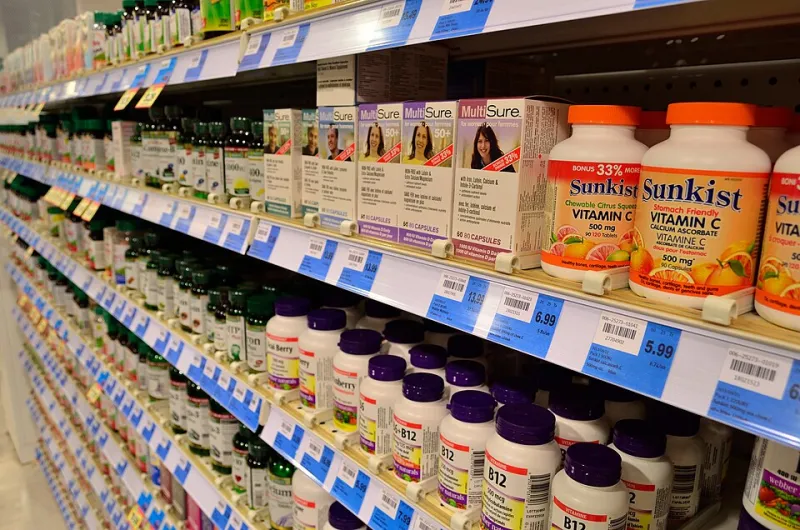
Photo: Raysonho @ Open Grid Scheduler / Grid Engine, CC0, via Wikimedia Commons
Walk into any pharmacy in America and you'll find an entire wall dedicated to supplements—gummies, capsules, powders, and effervescent tablets promising everything from sharper memory to stronger immunity. The dietary supplement industry generates more than $50 billion annually in the United States, and much of that spending is driven by hope rather than evidence.
At SihatCare, we believe accessible healthcare means knowing where your money actually improves your health. So let's separate the science from the sales pitch.
What the Evidence Actually Supports
A small number of supplements have earned their reputation through rigorous research:
- Vitamin D: For the roughly 40% of American adults with insufficient levels—especially those in northern states or who work indoors—supplementation supports bone health and may aid immune function. A simple blood test can tell you whether you need it.
- Folic acid: Pregnant women or those planning pregnancy are strongly advised to take 400 mcg daily to prevent neural tube defects. This remains one of the clearest recommendations in all of preventive medicine.
- Vitamin B12: Adults over 50, vegans, and people on certain medications (like metformin) often absorb B12 poorly from food. Supplementation is inexpensive, safe, and genuinely useful.
- Omega-3s: Fish oil shows modest benefit for people with elevated triglycerides, though its heart-protective halo has been overstated in advertising. Food sources—salmon, sardines—remain preferable.
The Overhyped and the Overpriced
Then there's the other side of the aisle:
- Megadose multivitamins: Standard multivitamins are harmless for most people, but the premium "super blends" rarely justify triple-digit prices. If you eat a reasonably varied diet, a basic multivitamin—or none at all—is sufficient.
- Vitamin C for colds: Decades of research show vitamin C does not prevent colds in the general population. It may slightly shorten duration if taken regularly, but the immunity-boosting claims splashed across packaging don't hold up.
- Detox teas and cleanses: Your liver and kidneys already detoxify your body around the clock. These products mostly deliver expensive bowel movements and clever marketing.
- Collagen supplements: Promising skin and joint benefits, collagen is broken down into amino acids during digestion—your body decides where those building blocks go, not the label on the jar.
Why "Expensive Urine" Isn't Far Off
Water-soluble vitamins (B-complex and C) that exceed your body's needs are simply excreted. If you're already consuming adequate amounts from fortified cereals, produce, and dairy, that premium supplement is literally going down the drain—or the toilet.
Fat-soluble vitamins (A, D, E, K) present a different concern: excess amounts can accumulate in tissue and cause harm. More is not better.
Your Supplement Shopping Checklist
Before you spend another dollar in the wellness aisle, run any product through this list:
- Look for third-party certification. Seals from USP, NSF International, or ConsumerLab indicate the product contains what the label claims. The FDA does not verify supplement contents before sale.
- Check the dose. Compare against the Recommended Dietary Allowance. Products offering 500%+ of daily values are red flags, not bargains.
- Skip proprietary blends. If a label lists a "blend" without individual amounts, you can't know whether you're getting an effective dose of anything.
- Beware of disease claims. By law, supplements cannot claim to treat, cure, or prevent disease. "Supports immune health" is legal; "prevents COVID-19" should send you running.
- Talk to a professional. A pharmacist can quickly flag interactions with prescription medications—a service that costs you nothing at your local counter.
The Bottom Line
Supplements can fill genuine gaps, particularly for vitamin D, B12, folic acid, and omega-3s in specific populations. But for most healthy American adults eating a balanced diet, the most evidence-backed supplement strategy is simple: eat your vegetables, and save the rest of your budget for things proven to extend life—like that long-overdue checkup.