Smart Spenders, Healthier Homes: The Wellness Gadgets Worth Buying and the Ones to Skip
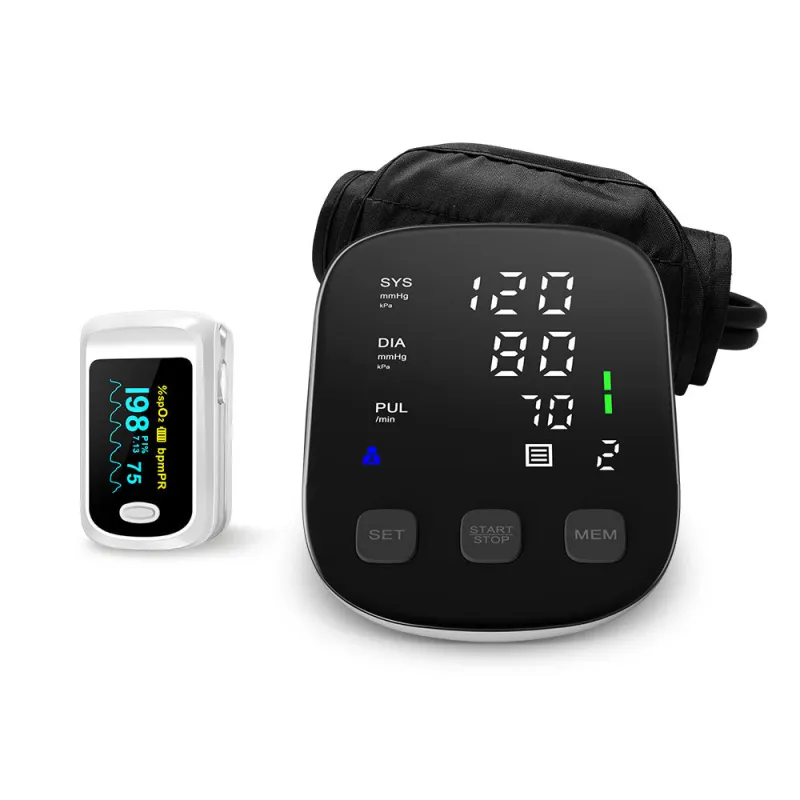
Photo: home health monitoring devices pulse oximeter blood pressure cuff, via shop.healthtreeltd.com
The American home has quietly become a clinic. Pulse oximeters hang from keychains, TENS units hum in living rooms, and air purifiers whir in bedrooms from Seattle to Miami. The at-home wellness device market has exploded, and with it, a familiar challenge: separating tools that genuinely support your health from gadgets that merely look impressive.
Here's our evidence-based breakdown of eight trending products—five that earn their keep, and three that mostly earn their manufacturers' profit margins.
Worth the Investment
1. Pulse Oximeters
These fingertip devices measure blood oxygen saturation in seconds. They proved their worth during the pandemic, and they remain valuable for people with COPD, asthma, or sleep apnea concerns. A sudden drop in oxygen levels can signal a serious problem before you feel short of breath. At $20–$40, this is one of the most affordable early-warning tools available. Just remember: a normal reading doesn't rule out illness, and abnormal readings warrant a call to your provider.
2. Air Purifiers with HEPA Filters
For allergy sufferers and households in wildfire-prone western states, HEPA filtration has solid evidence behind it. Studies show meaningful reductions in indoor particulate matter, which correlates with fewer asthma flare-ups and improved sleep. Skip models marketed with ionizers or "ozone technology"—ozone is itself a respiratory irritant. A simple HEPA unit sized correctly for your room does the job.
3. Blood Pressure Cuffs (Upper Arm Style)
Home monitoring of blood pressure is endorsed by the American Heart Association and gives your physician real-world data that office readings can't capture. Choose an upper-arm cuff with automatic inflation; wrist and finger models are less accurate. This device pays for itself the first time it catches a concerning trend early.
4. TENS Units for Musculoskeletal Pain
Transcutaneous electrical nerve stimulation won't cure anything, but for chronic lower back pain and muscle soreness, research supports short-term relief for many users. As a drug-free complement to stretching and physical therapy, a basic $30–$50 unit is reasonable. It's a tool for managing discomfort, not a treatment for underlying conditions.
5. Digital Thermometers with App Connectivity
Fever tracking over several days helps you and your doctor make better decisions, especially with young children at home. Connected models that log readings automatically remove the guesswork. Modest cost, genuine utility.
Better Left on the Shelf
1. Posture Correctors
Passive braces that yank your shoulders back may feel corrective, but research suggests they can weaken the very muscles responsible for good posture. Your body adapts to being held in position rather than learning to hold it yourself. Resistance training and ergonomic adjustments outperform any strap.
2. Smart Mirrors and Fitness Screens
A $1,500 mirror that streams workout classes delivers exercise—but so does a $15 yoga mat and a free video. The technology adds convenience, not outcomes. Unless the subscription model genuinely fits your habits, this is premium-priced motivation.
3. Alkaline Water Machines
Despite bold claims, there's no credible evidence that alkaline water meaningfully changes your body's pH—your blood regulates itself regardless of what you drink. Machines costing $1,000 or more are a masterclass in wellness marketing. A quality water filter, if your tap water needs one, costs a fraction as much.
A Framework for Any Gadget Purchase
Before buying any home health device, ask three questions: Is there peer-reviewed evidence for its core claims? Does it address a condition or concern I actually have? And would a conversation with my pharmacist or doctor change my mind? If a product fails any of these tests, your budget—and your health—is better served elsewhere.
The best home health investments are rarely the flashiest. They're the quiet, evidence-backed tools that help you and your care team catch problems early and manage the ones you already have.