Click Before You Commit: Verifying Online Pharmacies in the Age of Telehealth
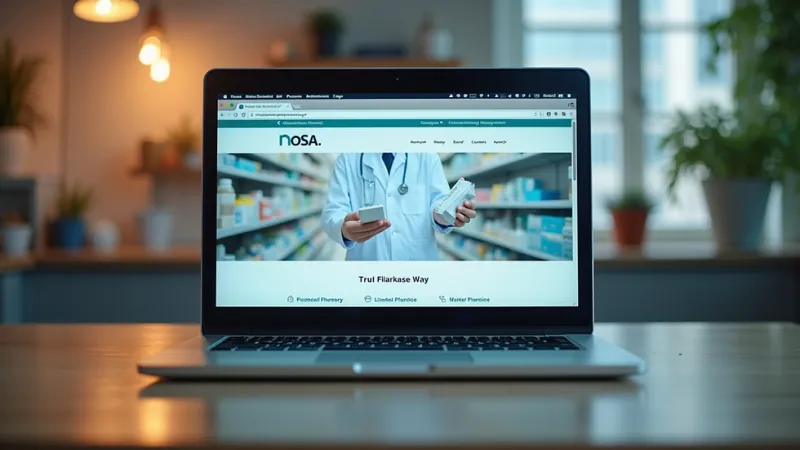
Photo: person ordering medication online laptop pharmacy website, via static.wixstatic.com
A decade ago, refilling a prescription meant a phone call, a waiting room, and a trip to the corner pharmacy. Today, a few taps deliver medications to your doorstep—often after a video visit with a provider you've never met. The telehealth boom has expanded access for rural Americans, busy parents, and the millions without easy transportation to a clinic. It has also created a marketplace where counterfeiters, sketchy operators, and outright scams can hide behind professional-looking websites.
The convenience is real. So is the risk. Here's how to enjoy the former without falling victim to the latter.
The Scale of the Problem
The National Association of Boards of Pharmacy estimates that the vast majority of online pharmacies selling to US consumers operate outside legal and safety standards. Counterfeit medications have been found to contain wrong ingredients, incorrect doses, dangerous contaminants, or in some cases, no active ingredient at all. A pill that looks identical to your prescription may be nothing more than pressed chalk.
The danger isn't abstract. Patients relying on counterfeit blood thinners, seizure medications, or insulin face potentially life-threatening consequences. And because these purchases often bypass insurance records and pharmacist oversight, your doctor may have no idea what you're actually taking.
Red Flags That Should Stop You Cold
- No prescription required. Any US-based pharmacy dispensing prescription medications without a valid prescription from a licensed provider is operating illegally. Full stop.
- Prices too good to be true. A "brand-name" medication at 80% off the usual cost is almost certainly not what the label claims. Deep discounts on controlled substances are an especially loud warning.
- No verifiable US address or phone number. Legitimate pharmacies have licensed pharmacists you can reach. If the only contact is a web form, walk away.
- International shipping disclaimers buried in fine print. Some sites ship from overseas despite American branding—a practice that puts you outside FDA protections entirely.
- Spam-grade marketing. Unsolicited emails offering "cheap meds no Rx needed" are not how legitimate healthcare operates.
How to Verify a Platform
The good news: verification takes minutes.
- Check for NABP accreditation. The National Association of Boards of Pharmacy's ".pharmacy" designation and its "Verified Online Pharmacy Sites" program identify vetted, legitimate operations.
- Confirm state licensure. Legitimate pharmacies are licensed in the states they serve. Your state board of pharmacy's website lets you look this up for free.
- Look for a licensed pharmacist. Reputable platforms offer pharmacist consultations and clearly identify their dispensing pharmacy and location.
- Evaluate the telehealth side separately. The prescribing provider should be licensed in your state, conduct a real evaluation (not just a two-question form), and offer follow-up care.
- Use LegitScript or the FDA's BeSafeRx resources to cross-check any site before your first order.
Why the Cheapest Option Can Cost the Most
There's a seductive logic to hunting for the lowest price, especially for Americans managing chronic conditions on tight budgets. But the true cost of a counterfeit or mislabeled medication includes hospitalizations, worsening disease, and money you'll never recover. The safest savings come from legitimate channels: GoodRx and similar discount programs, pharmacy membership plans, manufacturer patient-assistance programs, and 90-day supplies through accredited mail-order pharmacies.
A Balanced View
None of this means telehealth is suspect. Many direct-to-consumer platforms are fully licensed, transparently operated, and provide genuinely valuable care—particularly for conditions like hypertension, diabetes, and mental health where consistent access matters most. The technology itself is sound. The responsibility falls on consumers to apply the same scrutiny online that they'd apply to any provider.
Your health information, your payment details, and your body all deserve better than a gamble on an unverified website. Verify first. Click second.