What's Lurking in Your Medicine Cabinet? The Real Dangers of Keeping Expired Medications
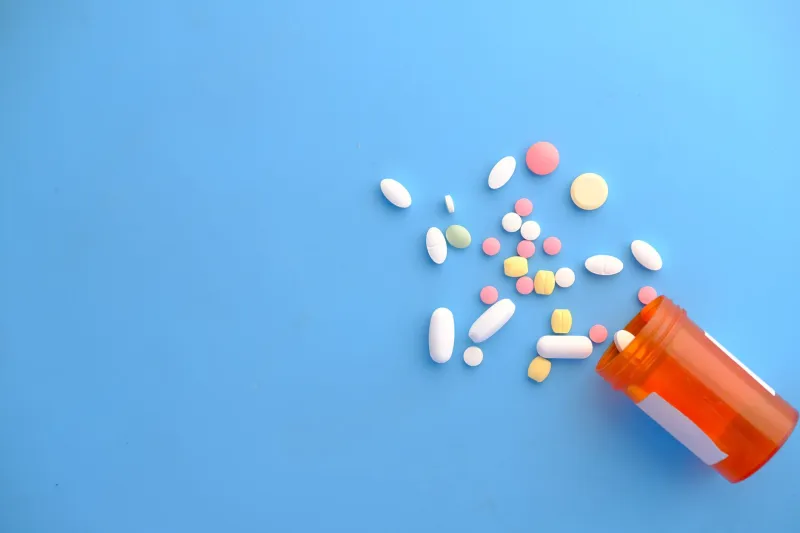
Most Americans treat their medicine cabinet like a long-term storage unit. A bottle of ibuprofen from two winters ago, a half-used prescription antibiotic from a forgotten infection, a cold remedy that expired before the last presidential election—these items accumulate quietly, often without a second thought. But what feels like sensible frugality may actually be putting your health at risk and draining your finances in ways you haven't considered.
At SihatCare, accessible and informed healthcare is at the heart of everything we do. That means helping you make smarter decisions not just about what you buy, but about what you keep—and what you let go.
Why Expiration Dates on Medications Actually Matter
The expiration date stamped on a medication bottle is not a suggestion. It represents the last date through which the manufacturer can guarantee the drug's full potency, stability, and safety under ideal storage conditions. Once that date passes, the chemical compounds within the medication begin to degrade—sometimes slowly, sometimes rapidly.
For many over-the-counter drugs, this degradation means reduced effectiveness. An expired pain reliever might offer only a fraction of the relief it once did, leaving you undertreated and potentially tempted to take more than the recommended dose to compensate. That's a risk no one should take casually.
Certain medications carry even more serious concerns. Tetracycline antibiotics, for example, have been linked to kidney damage when taken past their expiration date. Liquid medications, eye drops, and injectable drugs are particularly vulnerable to bacterial contamination once they've been opened and aged. Nitroglycerin, commonly used to manage heart conditions, loses effectiveness quickly—a terrifying prospect in a cardiac emergency when every second matters.
The Financial Drain You're Not Accounting For
Beyond the health risks, there's a straightforward economic argument for auditing your medication supply. When you rely on an expired drug that no longer works as intended, you may find yourself purchasing a replacement sooner than expected—doubling your spending on a product you thought you still had.
Consider a household managing a chronic condition such as high blood pressure or diabetes. If the medications supporting that management have degraded in potency, blood pressure or blood sugar may creep out of range. That can lead to unplanned physician visits, additional diagnostic testing, or escalated treatment—all of which carry significant out-of-pocket costs, particularly for Americans with high-deductible insurance plans.
The math becomes even more striking when you factor in medications that were never fully used. Prescription drugs are expensive. Allowing them to expire unused represents real money lost—money that could have been redirected toward preventive care, quality health supplies, or other wellness priorities.
How Storage Conditions Accelerate Expiration
Here's something many people don't realize: the expiration date assumes optimal storage conditions. Humidity, heat, and light all accelerate chemical breakdown in medications. Unfortunately, the bathroom medicine cabinet—the most common storage location in American homes—is one of the worst possible environments for drugs. Steam from showers and fluctuating temperatures can degrade medications months or even years before their printed expiration date.
For medications to maintain their integrity as long as possible, they should be stored in a cool, dry location away from direct sunlight. A bedroom drawer, a high kitchen cabinet away from the stove, or a dedicated health storage box kept at room temperature are far better options. Refrigeration is appropriate only for medications that explicitly require it, such as certain insulins or liquid antibiotics.
Maintaining proper storage isn't just good practice—it's a form of investment protection for the money you've already spent.
How to Audit Your Medication Supply
Conducting a thorough medication review doesn't require a medical degree. Set aside 20 to 30 minutes, gather every medication in your home, and follow these steps:
Check every expiration date. This includes prescription bottles, over-the-counter boxes, vitamins, supplements, and topical creams. If the date is missing or illegible, treat the product as expired.
Assess physical appearance. Even within the expiration window, medications that have changed color, developed an unusual odor, or show visible clumping or crystallization should be discarded. These are signs of chemical degradation regardless of the printed date.
Evaluate your current needs. Prescriptions written for conditions that have since resolved, or medications that were replaced by a newer prescription, should not be kept on hand. Having outdated prescriptions accessible can lead to accidental use or dangerous self-medication.
Organize what remains. Group medications by type and frequency of use. Store daily-use items within easy reach, and keep emergency medications—such as epinephrine auto-injectors or nitroglycerin—in a clearly marked, easily accessible location.
Safe Disposal: Protecting Your Home and Your Community
Once you've identified medications for disposal, proper handling is essential. Flushing drugs down the toilet or tossing them in the trash can introduce harmful compounds into water supplies and create risks for children, pets, or others who might encounter discarded medications.
The U.S. Food and Drug Administration recommends using authorized drug take-back programs as the safest disposal method. Many local pharmacies, hospitals, and law enforcement agencies participate in the DEA's National Prescription Drug Take Back Day, held twice a year, and some offer year-round drop-off boxes.
If a take-back option isn't available, the FDA provides guidance on mixing medications with an undesirable substance—such as used coffee grounds or dirt—and sealing them in a container before placing them in household trash. Some medications with a high risk of misuse may include specific flushing instructions on their label; follow those directions when present.
Building a Smarter Health Routine Going Forward
Preventing medication waste starts with more intentional purchasing and usage habits. When a physician prescribes a short course of medication, complete it as directed rather than stopping early and saving the remainder. When purchasing over-the-counter products, buy quantities appropriate to your actual needs rather than stocking up beyond what you'll realistically use before expiration.
Scheduling a medication review twice a year—perhaps aligned with daylight saving time, as a useful reminder—helps keep your supply current and your health protected. Pair this habit with a broader wellness check-in, reviewing your health monitoring tools, first-aid supplies, and any other health products in your home.
At SihatCare, we believe that informed health decisions are the foundation of lasting wellness. Whether you're stocking up on reliable health essentials or looking for guidance on managing your household's medical needs, our goal is to be the trusted partner that helps you navigate those choices with confidence.
Your medicine cabinet should be a resource for healing—not a repository of risk. Take a few minutes this week to open it up, look closely, and make sure everything inside is genuinely working for your health, not against it.